
If you’re anything like the homeowners I speak to every week, you’ve probably wondered whether your old double-glazed windows and doors are still doing their job—or whether they’re quietly costing you more than you realise.
And I understand the hesitation. Replacing doors and windows isn’t a small Sunday-afternoon DIY job. It’s a home improvement decision with long-term implications, not just for comfort, but for energy performance, security, and even the health of your property.
After working for many years on exterior protection, wall coatings, and building envelope improvements across the UK, I’ve seen first-hand how often ageing double glazing is the silent weak point in an otherwise well-maintained home. In fact, it’s one of the most overlooked contributors to draughts, damp issues, excessive heating bills, and reduced property value.
So in this guide, I want to walk you through the real, practical reasons why replacing old double-glazed doors and windows is one of the smartest property improvements you can make—and why it complements every other aspect of external home protection, including professional wall coatings.
This isn’t about sales talk. It’s about sharing the experience, evidence, and insights you need to feel confident in your own decision-making.
1. First, Let’s Be Honest: Double Glazing Doesn’t Last Forever
Many homeowners were told their double glazing would “last a lifetime.”
The reality? Most traditional double-glazed units have an effective lifespan of 15–25 years, depending on installation quality, frame type, and exposure to weather.
As windows age, several predictable issues appear:
-
The insulating gas between panes slowly escapes
-
Frames warp or deteriorate
-
Locks and hinges lose alignment
-
Rubber seals perish and allow in moisture
-
Condensation begins forming inside the glazing
-
Draughts creep in around the edges
These problems happen gradually, so you acclimate to them without realising the steady decline. In older properties I visit, people often don’t recognise how inefficient their windows have become until a heat-loss survey or energy bill exposes the truth.
Replacing them isn’t just a cosmetic upgrade—it’s restoring a fundamental part of the building’s thermal envelope.
2. Improving Thermal Efficiency Has Never Been More Important
Energy efficiency is no longer a “nice bonus”—it’s a practical necessity.
Old double glazing often has a low energy rating, especially units installed before modern regulations tightened. In many homes, I see windows with:
-
Low insulation values
-
Single-point locking
-
Early-generation double glazing with poor heat retention
-
Frames that have expanded and contracted so often they no longer seal squarely
Even a small drop in insulation performance results in significant heat loss. Think of it like wearing a winter coat with a broken zip—you still technically have a coat, but you feel the cold immediately.
Modern glazing systems, by comparison, can offer:
-
A-rated thermal performance
-
Multi-chambered frames for better insulation
-
Low-emissivity (Low-E) glass
-
Warm-edge spacer bars to reduce cold bridging
-
Argon-filled or even triple-pane options
Replacing older units with modern high-performance glazing can reduce heating demand noticeably. Many customers tell me it feels like someone “turned the heating up” even though the thermostat stayed the same.
Better insulation also works the other way: in summer, modern glazing helps keep heat out, preventing rooms from becoming stifling.
3. Stop Moisture Before It Becomes a Bigger Problem
One of the most misunderstood issues in UK homes is moisture.
When windows fail, the first signs often show up as:
-
Condensation trapped inside glazing
-
Damp patches around window reveals
-
Mould forming on silicone or plaster
-
Softening or crumbling window sills
-
Peeling paint or blistering render
This matters because moisture spreads.
Once it enters the building fabric, it can trigger a chain reaction affecting walls, timber, plaster, and even indoor air quality.
From years of repairing and protecting exterior walls, I can tell you that moisture rarely stays in one place. A failing window seal can undermine the integrity of nearby render or coatings, and in older houses, it can encourage rot in structural timbers.
Replacing the problem windows removes the source—not just the symptoms.
4. Security Standards Have Increased Dramatically
Security expectations—and technology—have changed.
Older doors and windows often lack:
-
Multi-point locking
-
Laminated safety glass
-
Reinforced frames
-
Anti-snap or anti-lift mechanisms
-
Modern compliant hardware
Modern systems offer a level of protection that wasn’t widely available 20 years ago. I’ve visited many properties where the homeowners assumed their old double-glazed units were still secure simply because they were “double glazed.”
Unfortunately, outdated frames, loose locking strips, and worn hinges make older units easier to force open than many people realise.
By updating your windows and doors, you’re not just improving comfort—you’re significantly enhancing home security in a way that future-proofs your property.
5. Old Windows Negatively Impact Your Wall Coatings and External Finishes
This is where my expertise in exterior coatings comes in.
When we apply a specialist wall coating system, we create a highly protective barrier that seals the home’s exterior against moisture, weather damage, algae growth, and surface deterioration.
But ageing windows or doors can compromise that protection by:
-
Allowing water to penetrate around frames
-
Causing localised damp behind render
-
Expanding and contracting in ways that stress the surrounding wall
-
Letting draughts pass through, reducing the impact of an insulated coating system
Think of your home like a boat: even if 95% of it is watertight, one poor seal is enough to let water in.
Upgrading old windows and doors ensures the building envelope works as an integrated protective system—walls, coatings, insulation, and glazing all supporting each other.
6. Transforming the Look of Your Home Makes a Bigger Difference Than You Think
We often talk about energy savings and security, but I’ve learned that homeowners also value the emotional impact of a transformation. Replacing old windows and doors can:
-
Modernise the appearance instantly
-
Improve kerb appeal
-
Brighten interior spaces
-
Complement a newly coated exterior
-
Increase perceived value
One customer recently described their new windows as “putting a fresh frame on a picture”—suddenly the whole house looked sharper.
And it’s true: when you combine new glazing with a professional, long-lasting exterior wall coating, most properties look decades younger.
7. A Home Improvement That Pays You Back
While I won’t make unrealistic claims about exact savings, the reality is that high-performance glazing provides value in several ways:
-
Lower heating and cooling costs
-
Reduced maintenance
-
Fewer window repairs
-
Protection against future moisture damage
-
Better comfort and air quality
-
Increased home desirability
Even estate agents routinely note that homes with modern glazing and well-maintained external walls tend to attract more interest and achieve higher valuations.
Replacing old windows isn’t just an upgrade—it’s an investment in your home’s future.

FAQs
How do I know if my double glazing really needs replacing?
Signs include condensation between panes, draughts, stiff or misaligned locks, fading frames, or rising heating bills without obvious cause. If the windows are over 20 years old, it’s worth getting them assessed.
Does replacing windows help with damp problems?
Yes—if failing seals or frames are allowing moisture in. New, properly installed units help prevent penetrating damp and support the effectiveness of exterior protection like wall coatings.
Will new windows make my home warmer?
In most cases, yes. Modern glazing offers far higher insulation values, reducing heat loss and making indoor temperatures more stable.
Are new windows secure enough to make a difference?
Current standards include multi-point locks, reinforced frames, and high-performance glass, making them significantly more secure than older systems.
Do new doors and windows improve noise reduction?
They can. Improved seals, thicker glass options, and modern frame designs usually reduce outside noise noticeably.
Should I replace windows before or after getting a wall coating?
Ideally before. This ensures the wall coating forms a continuous, uninterrupted protective layer around the new frames.
Final Thoughts — And a Friendly Invitation
Updating your old double-glazed doors and windows isn’t just about looks or ticking a home improvement box. It’s about strengthening your home’s defences, improving comfort, and ensuring your property works as a complete, weather-tight system.
If you’re considering replacing old glazing—or if you suspect your current windows are letting your home down—I’d be happy to offer guidance, talk through your options, or help you plan improvements that work alongside a long-lasting exterior wall coating.
No pressure, no sales pitch—just honest, practical advice from people who work every day to protect homes like yours.
If you’d like to chat, ask questions, or get a free property assessment, simply get in touch.
We’re here to help you make the right move for your home.
Please note: We are NOT a window company and do NOT sell windows. This post is for information and research
Related Posts

Choosing textured wall coatings can protect your house and your bank balance!
When it comes to sprucing up the exterior of your…

Understanding the Benefits of an Exterior Wall Coating Over Traditional Paint
I’ve spent most of my working life repairing, protecting, and…
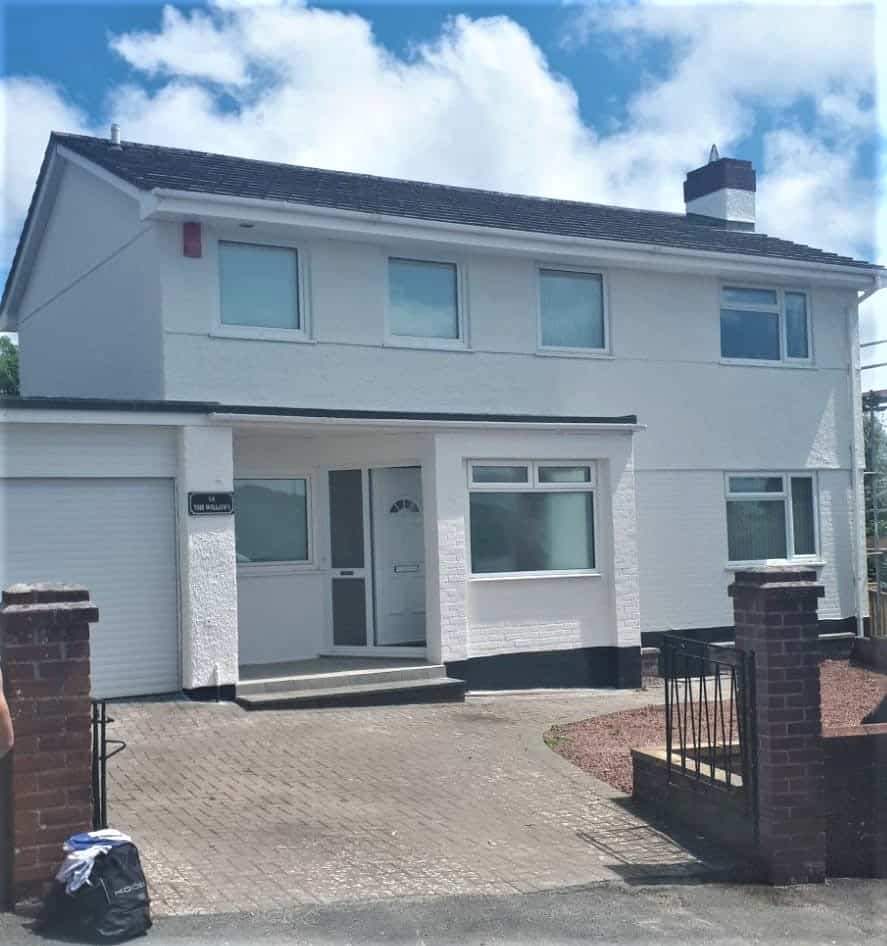
The Real Benefits of Wethertex Wall Coatings and Why Homeowners Are Choosing Them
If you’ve ever stood outside your home, looked at the…