
An expert guide from over 40 years of experience helping homeowners protect their properties
Before You Spend Thousands on Exterior Wall Coatings, Read This First
Imagine investing thousands of pounds in protecting your home, only to discover five years later that the coating has started peeling, the colour has faded, or damp problems are appearing where none existed before.
Sadly, it happens more often than many homeowners realise.
The exterior of your home is its first line of defence against Britain’s unpredictable weather. From driving rain and coastal salt air to frost, UV sunlight and pollution, our homes endure an enormous amount of punishment every year.
Choosing the right exterior wall coating can make a significant difference to both appearance and protection, but only when it is specified and applied correctly.
The difficulty is that not every company offering exterior wall coatings has the same level of knowledge, experience or attention to detail.
Some businesses have decades of practical experience inspecting different types of masonry, render and brickwork.
Others may simply apply a product without first understanding why the existing paint failed or whether underlying defects need addressing.
As someone who has spent almost forty years inspecting, repairing and protecting the outside of homes across the UK, I’ve learned that the success of any exterior wall coating depends far less on the product itself than on the quality of the survey, preparation and workmanship that comes before it.
This guide has been written to help homeowners understand exactly what to look for before appointing a contractor.
Whether you eventually choose us or another company entirely, these are the questions every homeowner should ask before making a decision.
Exterior Wall Coatings Explained in Plain English
Many homeowners hear the term exterior wall coating without really knowing what it means.
An exterior wall coating is a specially formulated protective finish designed to safeguard external walls against weather, moisture and environmental wear while improving the appearance of the property.
Unlike ordinary masonry paint, many modern coating systems contain advanced acrylic or resin technologies that are designed to remain flexible, resist water penetration and maintain their colour for many years.
However, it’s important to understand that not all exterior wall coatings are the same.
Different manufacturers produce products with different formulations, levels of flexibility, breathability and durability. Some are smooth finishes, while others provide a textured appearance capable of disguising minor imperfections within existing render.
Perhaps the biggest misconception is that every wall coating is simply “thick paint.”
It isn’t.
Quality exterior wall coating systems are engineered products designed to become part of the building’s weather protection system. When correctly specified, they can help reduce maintenance requirements and protect external masonry for many years.
The Biggest Mistake Homeowners Make
If there is one mistake I have seen repeated throughout my career, it is this:
People choose the product before choosing the company.
That’s rather like choosing expensive roof tiles before checking whether the roofer knows how to install them.
The coating itself is only one part of the process.
The contractor must first establish:
- Why the previous coating failed.
- Whether cracks are cosmetic or structural.
- If moisture is entering the wall.
- Whether previous repairs are compatible.
- The condition of existing render.
- Whether salts or contaminants are present.
- How exposed the property is to driving rain.
Without answering those questions first, recommending any coating becomes little more than guesswork.
A reputable company should spend far more time inspecting your property than discussing colours.
Why Experience Matters More Than You Might Think
Homes built in Britain over the last hundred years have used an enormous variety of construction methods.
Victorian solid brick walls behave very differently from modern cavity walls.
A rendered bungalow on the Cornish coast experiences very different weather conditions compared with a detached house in rural Oxfordshire.
An experienced surveyor understands these differences instinctively.
- They know that a crack isn’t simply a crack.
- Sometimes it indicates minor shrinkage.
- Sometimes thermal movement.
- Occasionally structural movement.
- Each requires a different solution.
- Likewise, damp patches are often misunderstood.
- Many homeowners assume every damp problem requires waterproofing.
In reality, the cause could be defective pointing, failed sealants around windows, cracked render, leaking gutters or simply condensation.
Applying any exterior wall coating without understanding those causes may hide the symptoms temporarily but will rarely solve the underlying issue.
This is why reputable wall coating companies spend considerable time diagnosing problems before recommending solutions.
Seven Signs You’re Speaking to a Professional
One of the easiest ways to judge any contractor is not by how much they talk about their product, but by the questions they ask you.
Expect a professional surveyor to ask things such as:
- How old is your property?
- Has it been painted before?
- Have you experienced damp internally?
- When did you first notice the cracking?
- Has any render previously been repaired?
- Is the property exposed to prevailing weather?
- Have neighbouring properties experienced similar issues?
These questions demonstrate that they’re interested in understanding the building rather than simply making a sale.
In my experience, the best surveyors often spend more time listening than talking.
Don’t Be Swayed by Guarantees Alone
Lengthy guarantees naturally sound reassuring.
- Twenty years.
- Twenty-five years.
- Lifetime guarantees.
While guarantees certainly have their place, they should never be the primary reason for choosing a contractor.
Instead, ask:
- Exactly what does the guarantee cover?
- Is fading included?
- Does it include cracking?
- What happens if repairs become necessary?
- Is labour included?
- Are there any maintenance conditions?
- Who actually underwrites the guarantee?
A shorter guarantee from an established company with an excellent reputation can sometimes provide greater peace of mind than a lengthy guarantee backed by a business with little trading history.
Ultimately, the quality of the installation remains more important than the wording on a certificate.
Here’s Something Most Homeowners Never Consider
One of the biggest influences on how long an exterior wall coating lasts isn’t actually the coating.
- It’s the preparation.
- Pressure washing.
- Removing loose material.
- Repairing cracks correctly.
- Replacing defective render.
- Treating biological growth.
- Allowing repairs to cure properly.
These are rarely the exciting parts of the job, yet they are often the difference between a finish that lasts for decades and one that begins failing prematurely.
Professional preparation isn’t glamorous, but it is absolutely essential.
10 Essential Checks Before Choosing an Exterior Wall Coating Company
By this stage, you may already have a shortlist of companies. They might all have impressive websites, glowing reviews and attractive guarantees.
So how do you separate genuine expertise from good marketing?
These ten checks will help you make an informed decision before investing in your property.
Ask What Happens Before Any Coating Is Applied
One of the first questions you should ask is surprisingly simple:
“What preparation work will you carry out?”
A professional company should explain every stage clearly, including:
- Cleaning the walls.
- Removing loose or defective coatings.
- Repairing damaged render where necessary.
- Filling and stabilising cracks.
- Treating algae, moss or fungal growth.
- Priming surfaces where appropriate.
Preparation is rarely visible once the project is complete, but it is one of the biggest factors in determining how well an exterior wall coating performs over time.
Make Sure They Survey the Building – Not Just Measure It
Many quotations are little more than a price based on the size of your property.
A reputable survey is very different.
A good surveyor should assess:
- The condition of existing render.
- Previous paint systems.
- Areas exposed to driving rain.
- Moisture staining.
- Cracking patterns.
- Surface contamination.
- Architectural details that may require special treatment.
Every property tells a story.
The survey should identify why the walls look the way they do—not simply how many square metres need coating.
Ask Why They Recommend That Particular System
If every house receives exactly the same specification, something should concern you.
Different properties often require different approaches.
For example:
- Older lime-rendered buildings behave differently from cement-rendered homes.
- Coastal properties face higher salt exposure.
- South-facing walls receive significantly more UV exposure.
- Sheltered walls may experience greater biological growth.
An experienced contractor should explain why a particular coating system is appropriate for your property.
Don’t Judge a Company by Price Alone
It’s perfectly natural to compare quotations.
However, two quotations can appear similar while including completely different levels of preparation and repair work.
One contractor may include:
- Full pressure washing.
- Crack repairs.
- Localised render repairs.
- Surface stabilisation.
- High-quality primers.
- Multiple coating applications.
Another may simply clean the walls and apply the finish.
The cheaper quotation isn’t necessarily better value if important preparation has been omitted.
Always ask for a detailed written specification.
Ask to See Projects That Are Several Years Old
Freshly completed projects almost always look impressive.
The more useful question is:
“Can I see work you completed five or ten years ago?”
Long-term performance demonstrates far more than photographs taken immediately after completion.
A coating system should continue protecting the property long after the installation team has left.
Understand That Cracks Have Different Causes
Many homeowners assume every crack can simply be covered.
Unfortunately, it isn’t always that straightforward.
Cracking may result from:
- Normal building movement.
- Shrinkage during curing.
- Thermal expansion.
- Failed render.
- Structural movement.
- Water ingress.
Applying an exterior wall coating without understanding the cause may only disguise the problem temporarily.
A reputable company should explain what caused the cracking before recommending how to treat it.
Be Wary of Absolute Claims
Whenever you hear statements such as:
- “This coating solves every damp problem.”
- “It never requires maintenance.”
- “It works on every surface.”
- “Preparation isn’t necessary.”
Take a step back.
Every building is different.
Professional advice should recognise the limitations as well as the benefits of any coating system.
Balanced advice usually indicates genuine expertise.
Read Reviews Carefully
Reviews can be extremely helpful, but don’t simply look at the overall rating.
Look for comments describing:
- Professional communication.
- Clean workmanship.
- Reliability.
- Respect for the property.
- Long-term satisfaction.
- Aftercare.
Reviews explaining why customers were pleased often provide more useful information than simple five-star ratings.
Ask Who Will Actually Carry Out the Work
Some companies employ experienced installation teams.
Others rely heavily on subcontractors.
There is nothing inherently wrong with either approach, but it’s sensible to understand:
- Who will be working on your property.
- Whether installers are trained in the chosen system.
- Who supervises quality.
- How workmanship is checked before completion.
Clear answers usually reflect organised, professional businesses.
Choose a Company That Educates Rather Than Pressures
Perhaps the most overlooked sign of a reputable contractor is how they communicate.
- Do they patiently answer your questions?
- Do they explain the advantages and limitations of different options?
- Do they encourage you to compare alternatives?
- Or do they simply try to secure an immediate decision?
The best companies understand that informed homeowners make better long-term customers.
Education builds confidence.
Pressure often creates regret.
The Best Exterior Wall Coating Companies Solve Problems—They Don’t Just Apply Products
At first glance, many exterior wall coating companies appear similar.
- Most offer attractive finishes.
- Most promise durability.
- Most display photographs of completed projects.
- The real difference lies beneath the surface.
Experienced contractors spend their time understanding the building before recommending a solution.
They identify underlying issues, explain their findings in straightforward language and recommend work that suits the individual property rather than applying the same system to every home.
Ultimately, choosing the right company is less about buying a product and more about placing your home in experienced hands.
Looking for More Independent Advice?
Choosing an exterior wall coating is an important investment, and it’s worth taking the time to understand your options before making a decision.
Here at The Wall Coatings Company, our aim is to help homeowners make informed choices by sharing practical guidance based on real-world experience, not sales pressure.
Explore our growing library of articles covering exterior wall coatings, masonry paint, render repair, weather protection and long-term exterior maintenance.
The more you understand your home’s exterior, the more confident you’ll feel when choosing the right wall coating solution for your property.
Call 0800 970 4928 to speak to someone about your house
Related Posts
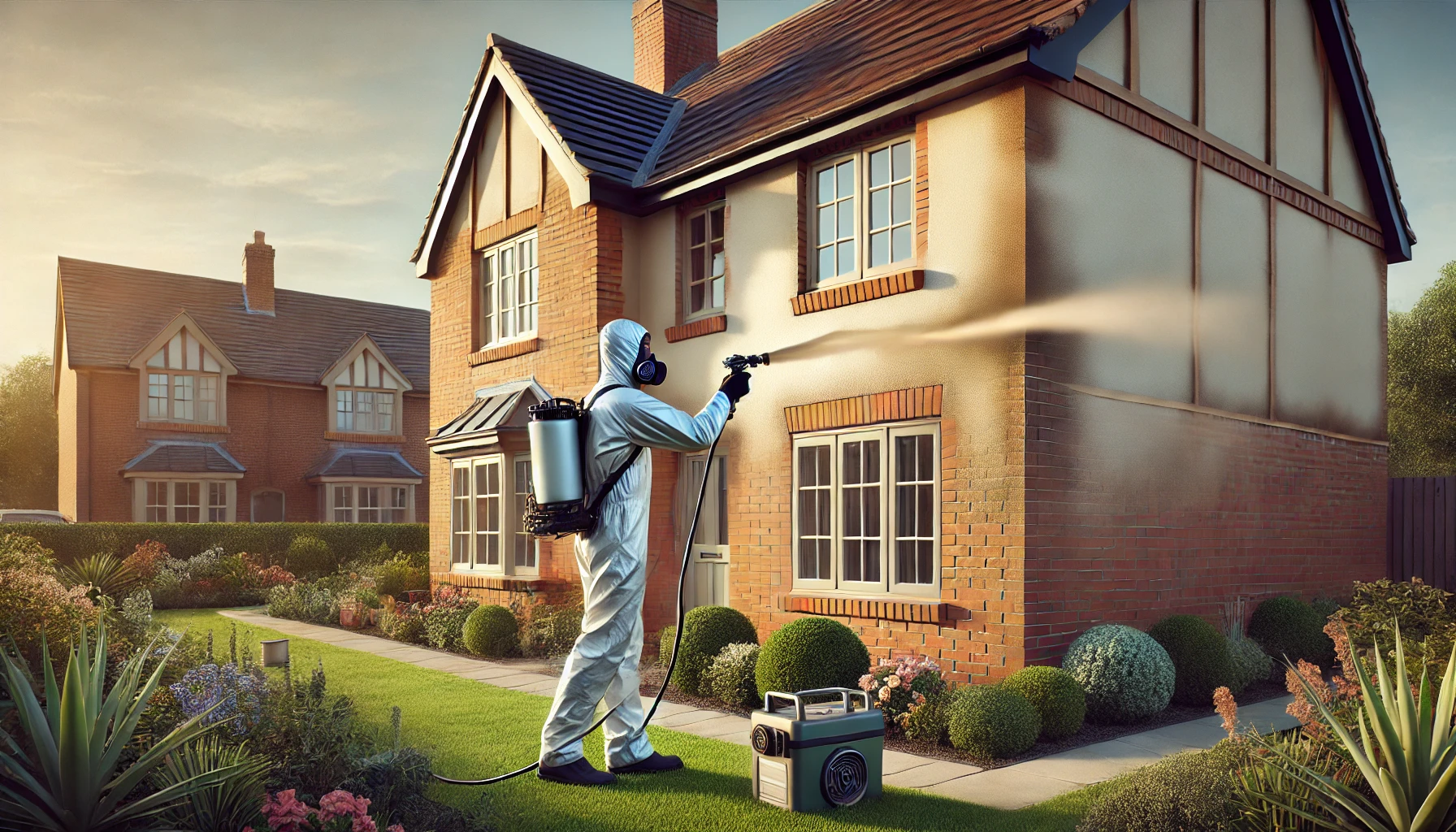
Wall coatings. Reasons you should stop painting your house
When it comes to protecting and beautifying your home’s exterior,…
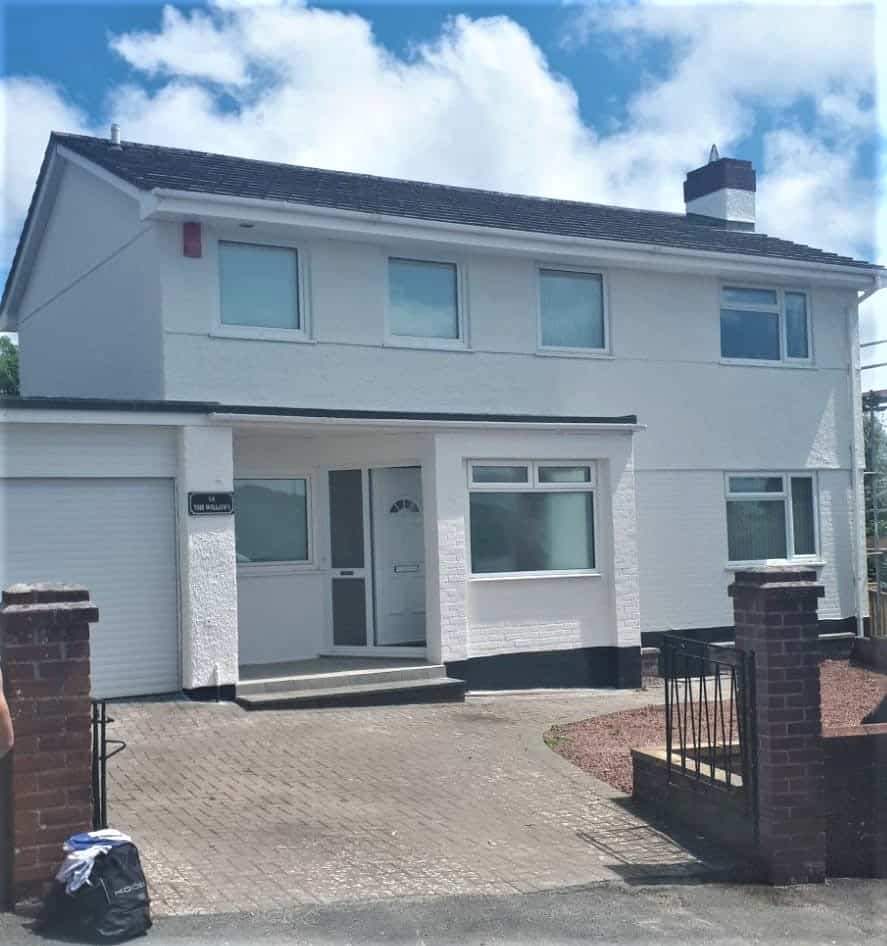
The Real Benefits of Wethertex Wall Coatings and Why Homeowners Are Choosing Them
If you’ve ever stood outside your home, looked at the…
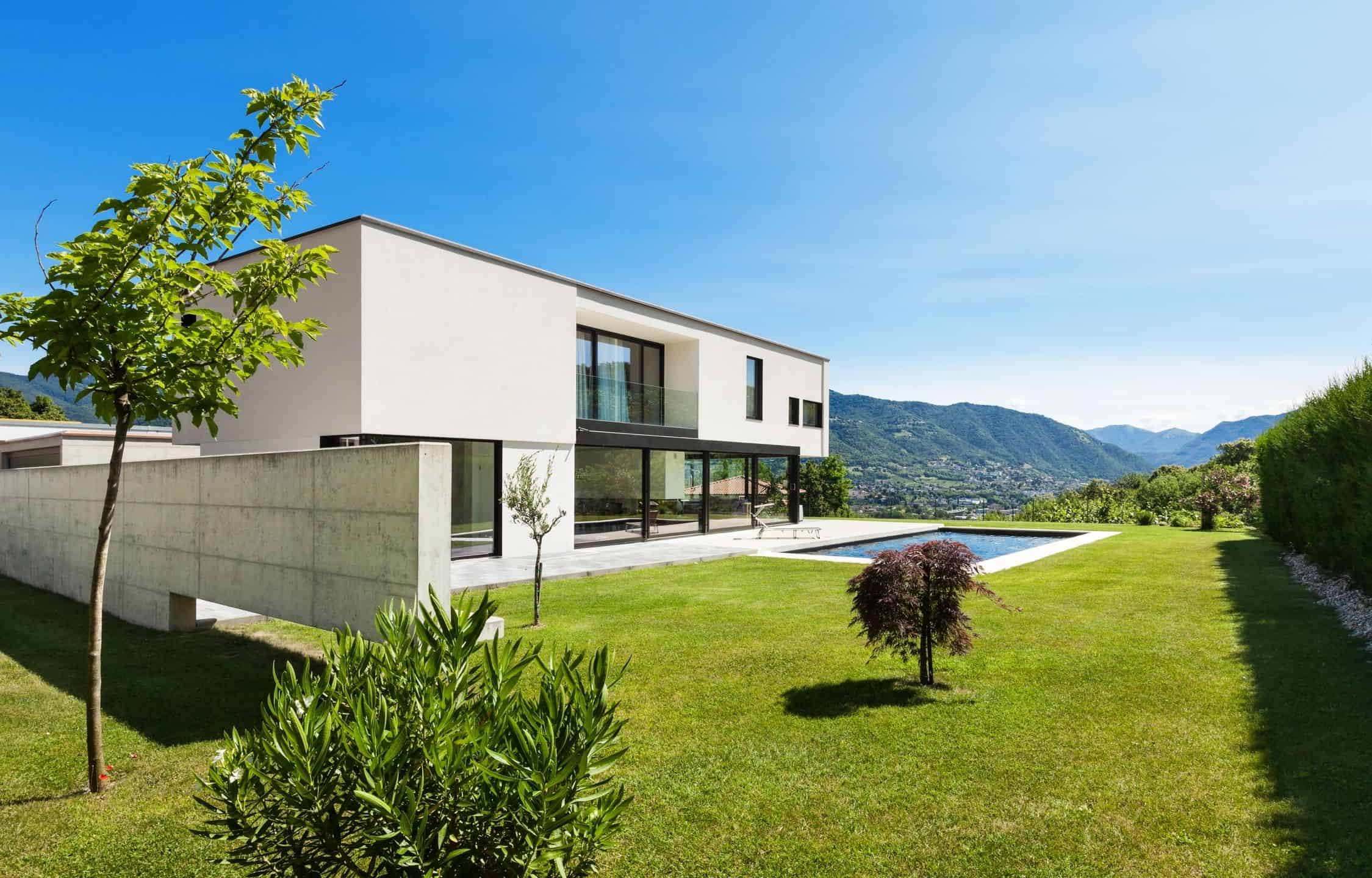
The benefits of having an exterior wall coating applied to your house
Your home is more than just a structure; it's your…